Why Choose Us?
Quality control
For each process,we have strict inspection standards,and we always insist that quality is life.
One-stop solution
With rich experience and one-to-one service,we can help you choose products and answer technical questions.
Competitive price
We have a professional purchasing team and costing team,trying to reduce costs and profits,and provide you with a good price.
24h online service
You can contact us to inquire about pre-sales, sales, and after-sales services, and we will give you a very satisfactoryWe are at your service online 24 hours a day.
What is Steel Plate?
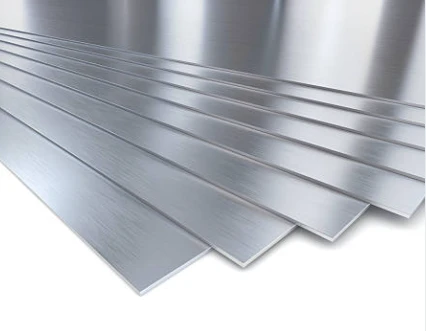
Steel plates are generally rectangular, flat steel products that are used in a variety of structural applications. They are often cut or transformed into different steel shapes to fit a number of different applications. The most common steel alloys used for these products are A36, A572 (Grade 50), and A786, all of which are available in our inventory.
-
![Steel Strips]() Steel StripsOur steel strips are made of high-quality Q195-Q235 steel grades, which are produced according to the national standard GB/T3524-2015. The specifications of our steel strips include a width range of
Steel StripsOur steel strips are made of high-quality Q195-Q235 steel grades, which are produced according to the national standard GB/T3524-2015. The specifications of our steel strips include a width range of -
![stainless steel plate price]()


Advantages of Steel Plate
High strength
Steel plate is a very hard material, its strength far exceeds that of other metal materials. This makes the steel plate have a wide range of applications in various industrial fields, such as construction, Bridges, ships, automobile manufacturing and so on.
Good wear resistance
Due to the high hardness of the steel plate, it has good wear resistance. This makes the steel plate perform well in work environments with heavy wear, such as mines, road construction, etc.
Corrosion resistance
Steel plate has good corrosion resistance to most chemical substances, so it has a wide range of applications in chemical, petroleum and other industries.
Easy to process
Steel plates can be easily processed into various shapes and sizes by cutting, welding, bending, etc., so it has a wide range of applications in the manufacturing industry.
Economy
The low cost of steel plate compared to other high-performance metal materials makes it an advantage in projects with limited budgets.
Reusable
Steel plates can be recycled and reused to reduce environmental impact and achieve sustainable development.
Types of Steel Plate
Medium-thick steel plates:
Steel plates with a thickness greater than 4mm are classified as medium-thick steel plates. Within this category, plates with a thickness of 4.5-25.0mm are called medium-thick plates, those with a thickness of 25.0-100.0mm are known as thick plates, and plates with a thickness exceeding 100.0mm are referred to as extra-thick plates.
Ordinary medium-thick steel plates:
These are hot-rolled steel plates made from ordinary carbon structural steel or low-alloy structural steel. They mainly include ordinary carbon boiling steel plates, ordinary carbon calming steel plates, low-alloy steel plates, bridge steel plates, shipbuilding steel plates, boiler steel plates, pressure vessel steel plates, patterned steel plates, automobile beam steel plates.
High-quality medium-thick plates:
These are hot-rolled steel plates made from various high-quality steels. Based on material and application, they are divided into high-quality carbon structural steel plates, carbon tool steel plates, alloy structural steel plates, alloy tool steel plates, spring steel plates, bearing steel plates, high-speed tool steel plates, stainless steel plates, 90-series steel plates, bulletproof steel plates, pure iron plates, high-pressure steel plates, weather-resistant steel plates, pressure-resistant steel plates, low-magnetic steel plates.
Thin steel plates:
Steel plates with a thickness not exceeding 4.0mm are classified as thin steel plates. Thin steel plates are divided into ordinary thin steel plates, high-quality thin negative plates, and coated thin steel plates, again divided into hot-rolled and cold-rolled based on their rolling process.
Hot-rolled ordinary thin steel plates:
These are produced by hot rolling ordinary carbon structural steel or low-alloy structural steel, mainly including ordinary steel plates, shipbuilding steel plates, low-alloy steel plates, patterned steel plates, oil barrel steel plates, liquefied gas bottle steel plates, automobile beam steel plates, steel templates, etc.
Hot-rolled high-quality thin steel plates:
These are made by hot-rolling various types of high-quality steel. Main types include high-quality carbon structural steel plates, carbon tool steel plates, alloy structural steel plates, alloy tool steel plates, spring steel plates, bearing steel plates, stainless steel plates, 90-series plates, and bulletproof steel plates. Their applications and uses are similar to those of high-quality hot-rolled medium and thick steel plates.
Cold-rolled common thin steel plates:
These are cold-rolled from ordinary carbon structural steel or low-alloy structural steel. Cold-rolled plates have a superior surface quality and excellent stamping performance. They should pass the cold bending and cupping tests, and are commonly used in the automotive industry and as raw materials for coated plates.
Cold-rolled high-quality thin steel plates:
These primarily include various high-quality steel cold-rolled thin plates, with the most common being carbon structural steel plates, specifically deep-drawing cold-rolled thin steel plates. These are thin plates cold-rolled from low-carbon high-quality steel 08Al.
Application of Steel Plate
When it comes to construction, steel plates of all types and sizes are used. Steel plates play a versatile role and can be found in various types of construction projects. They are most commonly found in the construction of buildings, warehouses, and bridges. It is not only used in the buildings and structures themselves but also within their foundations, and they are added to give more support to the structure. They can also be found in prefabricated buildings, railway stations, and more.
Steel plates used for military purposes are often higher-grade than those used in construction. Steel industries that are contracted by the military to supply them with steel plates have to meet the standards set by the military for the material to meet its intended purpose. This is because the steel plates are used for advanced technology, such as helicopters, jets, and other aircraft. It can also be used for weapons such as tanks or armored jeeps. Additionally, steel plates are often used by the Navy to create their ships and for naval repair.
This material is also extensively used by the shipping and shipbuilding industries. Steel plates are used in the construction and repair of ships, barges, and offshore equipment (such as oil rigs). They are also more durable and water-resistant than most other steel plate types found on the market, as they need to withstand large amounts of seawater and the pressures of a choppy ocean. These steel plates are also easily welded and ultra-strong.
Pressure Vessels refer to a type of storage container. These containers are any unit that is used to store compressed gases or fluids. Common examples of these containers are boilers and gas tanks. These vessels need to be resistant to environmental factors, such as temperature or weather. They also need to be able to hold content that is often stored at extreme temperatures. Steel plates are perfect for this application as they are temperature-resistant and durable by nature. These properties ensure that the gases and liquids are safely contained, with little risk of explosion.
Steel plates can even be found right at home. They are used to build our refrigerators, dishwashers, and washing machines. In this situation, steel plates are used for their ability to absorb and hold temperature, and for their resistance to rust and corrosion. This makes sure that your household appliances won't overheat or get damaged from rust easily. With steel plates, appliances can stay in use for years and years without fail.
Due to their qualities, steel plates are also found in many cars on the road today. They are strong, and the molded shapes that are made from plates are also strong. This strength is essential in making sure the car can hold its shape even at top speeds, and can even keep drivers and passengers safe in the event of accidents. Steel plates can also be light depending on how thick or thin they are fabricated. For cars, the plates are thinner than what you would typically see in other industries. This means that this material doesn't weigh the car down and makes it difficult to drive, which is great for its owners. This also helps improve the fuel intake of these cars, and the lighter the car is, the more economical its fuel usage may be.
Lastly, steel plates can be used for road work. However, their usage in this area differs from the last eight uses. In road work, steel plates are used as a temporary fix to bigger problems. Common uses in road work include covering over holes in the road or blocking other compromised areas. This allows road traffic to pass through these areas without much trouble. Steel plates are also skid-resistant, which makes them safe to drive over. They help in preventing too much traffic from building up in one area while road work is being done, as the road is still largely accessible for the driver.
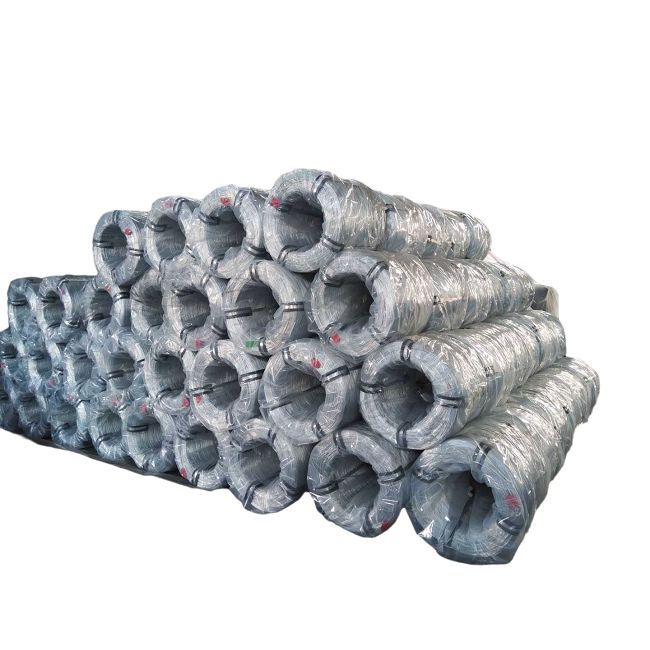
Steel plates are produced in steel mills and are made of high carbon steel, stainless steel, and various steel compositions. Hot rolling is the most frequent method for producing steel plates. Whereas Sheet steel is formed by passing hot metal slabs through a sequence of roughing rolling stands, which thins and lengthens them. These sheets are rolled into coils after being cooled and put through finishing rolling stands to make them even thinner. Plate steel is typically employed in applications that demand a super-structural structure as well as unbreakable endurance.
Tips to Choose the Right Steel Plate
Durability
When it comes to buying steel plates, or, other steel products durability should be your priority. The steel lends strength and durability to a building. Therefore, when steel is used for a construction project it is expected that the building would be durable. However, while buying steel plates one should be careful about the quality of the steel and also the specific steel properties. Each steel variant such as mild steel, low carbon steel comes with a set of properties. Being aware of that is necessary, also steel is available in different grades, the strength, and durability of the steel would depend on the steel grade as well. Before placing an order have clarity regarding your project requirement, this way you would know which steel grade or, variant to opt for, if you are buying from mild steel plate suppliers then they can guide you better. Furthermore, if you want to increase durability of a particular steel grade, then you might consider opting for the alloying process.
Strength
When it comes to choosing steel plates, you must look for strength as this is an essential property of steel. The tensile strength of steel is required to make a building strong, and in the manufacturing sector also, steel would make a product durable and strong to withstand pressure. While choosing steel plates that might be used for the flooring, strength should be a priority. These plates should be able to withstand the heavy load that would be put on them. The selection of the steel plates should be based on the strength, and this specific property ensures that the plates would withstand huge load without developing any cracks. In the construction sector the steel is used and it lends this strength to the structure and it will stay strong despite there being heavy pressure or, load. Also before purchasing learn about the chequered plate price in Chennai.
Weldability
The weldability of steel is another important criterion that you should never neglect. The weldability of a metal would make it ideal for many operations and applications; if your project requires that the steel plates need to be welded, then it is wise to choose a steel variant that have the weldability property or, that is easy to weld, ask the steel dealers in Chennai for guidance. If the process requires any pre-treatment or, process for getting the metal ready then that might enhance the cost, and that might also be a time-consuming task. However, if the steel plates are weldable then they would be easy to work with, they would be easily customizable, and would be cost-effective choices. Although welding might impact the hardness of the steel and there might be a reduction in the hardness of the metal.
Ductility
The steel plates must also have ductility, another important property that should not be ignored. The steel plates must have ductility, this would ensure that the plates will be able to withstand load or, pressure without developing any cracks. Talk to the mild steel plate suppliers, before buying and learn whether it has high ductility or, not. It would be deformed but would not break and that would make the structure secure and strong. The ductility of steel is again a property that would vary from one steel variant to the other. The composition of each steel variant would be different and the ductility would depend largely on that. Therefore, before choosing your steel plates, you have to pay attention to the variant you are getting. Depending upon your specific project you should choose the steel variant, and also learn about the chequered plate price in Chennai.
Why Does the Steel Plate Have a Drop?
Steel plate is a commodity, so the steel plate will be based on market preferences to determine its thickness. For example, comparing the steel plate to an apple, the thickness of the steel plate determines the sweetness of the apple, so when the sweet sells well in the market, farmers tend to choose the sweet to plant, and the unsweet will slowly be eliminated. The steel plate manufacturer is the farmer of this planting. After the market baptizes the steel plate, the steel plant stops producing the steel plate, which is not good to sell, and the steel plate with the thickness difference is left.
1. Raw material preparation
The manufacture of steel plates is usually based on iron ore as the main raw material. Pig iron is first obtained from iron ore through ore beneficiation, ironmaking and other steps, and then suitable steel is obtained through steel-making and other processes.
2. Steelmaking
Pig iron is processed by steelmaking process, including different steelmaking methods such as converter method, electric furnace method, oxygen gas method and so on. These methods can adjust the alloy composition, remove impurities, and control the properties of the steel.
3. Continuous casting
Refined molten steel is usually cast into billets by cast iron molds to form so-called continuous casting billets. This step can be rapidly cooled and solidified by water cooling.
4. Hot rolling
The continuous casting billet is pressed into the required steel plate shape through the hot rolling process and the high temperature and rolling mechanical equipment. This process helps to change further the thickness, width and length of the steel plate.
5. Pickling and heat treatment
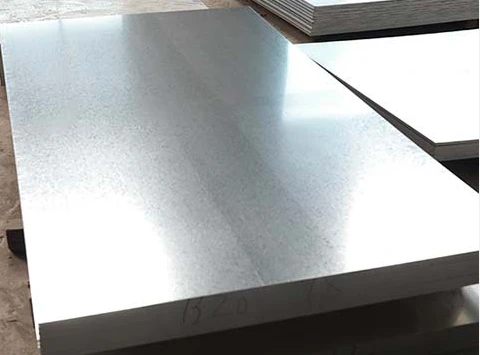
Hot rolled steel plates may have oxide skin that needs to be removed by pickling. Next, the hardness and other mechanical properties of the steel plate can be adjusted by heat treatment (quenching, normalizing, etc).
6. Cold rolling (optional)
Some steel plates need to be further cold rolled to improve surface finish and dimensional accuracy.
7. Cutting and leveling
After cold rolling, the steel plate can be cut and leveled according to customer requirements to obtain a steel plate that meets the specifications.
8. Inspection and packaging
After the steel plate is manufactured, various inspections are usually performed, including inspections of size, chemical composition, and mechanical properties. Qualified steel plates will be packaged and ready for shipment.
Steel plate is one of the commonly used materials in industrial production, and its quality directly affects the quality and service life of the product. Therefore, routine inspection items are essential in the production process of steel plates. Next, we will provide a detailed introduction to the routine inspection items for steel plates.
Appearance inspection
Appearance inspection is the most basic item in the routine inspection of steel plates. The quality of the steel plate can be judged by visually observing whether there are cracks, scars, bubbles, rust and other defects on the surface of the steel plate, as well as whether the surface is flat and smooth and whether the color is uniform.
Dimensional inspection
Dimensional inspection is a very important item in the routine inspection of steel plates. By measuring the size parameters such as length, width, and thickness of the steel plate, it is determined whether the steel plate meets the specified standard dimensions. If the size does not meet the standard, it will affect the effectiveness of the steel plate.
Chemical composition analysis
Chemical composition analysis is a very important item in the routine testing of steel plates. By analyzing the content of various elements in the steel plate, it is determined whether the chemical composition of the steel plate meets the standard requirements. If the chemical composition does not meet the standards, it will affect the physical properties and service life of the steel plate.
Mechanical performance testing
Mechanical performance testing is a very important item in the routine inspection of steel plates. By testing the mechanical properties such as tensile strength, yield strength, impact toughness, and hardness of the steel plate, it is determined whether the strength, toughness, and hardness of the steel plate meet the standard requirements. If the mechanical properties do not meet the standards, it will affect the effectiveness and safety of the steel plate.
Surface quality inspection
Surface quality inspection is a very important item in the routine inspection of steel plates. By testing the smoothness, flatness, roughness, and coating adhesion of the steel plate surface, it is determined whether the quality of the steel plate surface meets the standard requirements. If the surface quality does not meet the standards, it will affect the appearance and service life of the steel plate.
Our Certifications


Shenzhen Liying Hardware Building Materials Co., Ltd. is located at the intersection of the roads between the beautiful Futian District of Shenzhen and the Hong Kong Special Administrative Region, with unique location and environmental advantages. The company was founded in 2020. After years of development, the company has total assets of hundreds of millions of yuan, with import and export trade as the main business, the company strives to become a global supply chain management integrated service provider, has a large number of professionals, involved in six series of products, the main product is metal wire, rope and its extension products manufacturing, annual sales capacity of 400,000 tons.

Ultimate FAQ Guide to Steel Plate
Q: What are the different grades of steel plate?
Q: What is ASTM grade steel?
Q: What is Grade C steel?
Q: Which steel grade is best?
Q: How do you read steel grades?
Q: What is steel grade B?
Q: What is the difference between Class C and Class H steel?
Q: What grade of steel is most common?
Q: What is a cheap grade of steel?
Q: Is higher grade steel better?
Q: What is high grade vs low grade steel?
Q: What grade metal is strongest?
Q: Is A36 a type or grade?
Q: How do you identify steel types?
Q: Which is stronger steel or mild steel?
Q: What type of steel is used in skyscrapers?
Q: Is higher grade steel better?
Q: What is the best quality of steel?
Q: What is the strongest grade of mild steel?
Q: What type of steel is plate steel?
As one of the most professional steel plate manufacturers and suppliers in China, we're featured by quality products and low price. Please rest assured to buy cheap steel plate in stock here from our factory. Contact us for quotation.
inch and a quarter galvanized pipe, non threaded galvanized pipe, Galvanised Pipe