Shenzhen Liying Hardware Building Materials Co., Ltd. is located at the intersection of the roads between the beautiful Futian District of Shenzhen and the Hong Kong Special Administrative Region, with unique location and environmental advantages.
The company was founded in 2020. After years of development, the company has total assets of hundreds of millions of yuan, with import and export trade as the main business, the company strives to become a global supply chain management integrated service provider, has a large number of professionals, involved in six series of products, the main product is metal wire, rope and its extension products manufacturing, annual sales capacity of 400,000 tons.
Why Choose Us
Quality control
For each process,we have strict inspection standards,and we always insist that quality is life.
One-stop solution
With rich experience and one-to-one service,we can help you choose products and answer technical questions.
Competitive price
We have a professional purchasing team and costing team,trying to reduce costs and profits,and provide you with a good price.
24h online service
You can contact us to inquire about pre-sales, sales, and after-sales services, and we will give you a very satisfactoryWe are at your service online 24 hours a day.
-
![Stainless Steel Cable]() Stainless Steel CableStainless steel cable is a robust and hardwearing material that can be used in a wide variety of projects that need a practical solution. It’s more than that however. The main benefit of stainless
Stainless Steel CableStainless steel cable is a robust and hardwearing material that can be used in a wide variety of projects that need a practical solution. It’s more than that however. The main benefit of stainless -
![Pre-stressed Steel Strand]() Pre-stressed Steel StrandPre-stressed steel strand is the material of choice for many construction projects because of its strength and durability. It is resistant to corrosion, which is especially important for structures
Pre-stressed Steel StrandPre-stressed steel strand is the material of choice for many construction projects because of its strength and durability. It is resistant to corrosion, which is especially important for structures -
![Forging Rope]() Forging RopeForging rope is a type of steel wire rope that is forged using a rotary forging process after being twisted together. This process deforms the outer and inner wires of the rope, resulting in a unique
Forging RopeForging rope is a type of steel wire rope that is forged using a rotary forging process after being twisted together. This process deforms the outer and inner wires of the rope, resulting in a unique -
![stainless steel cable]()
-
![Stainless Steel Wire Rope for Fall Protection]() Stainless Steel Wire Rope for Fall ProtectionWe supply stainless steel wire rope with high quality. The most common stainless steel wire rope used for fall protection system are 7x7 and 7x19 8mm and 10mm...
Stainless Steel Wire Rope for Fall ProtectionWe supply stainless steel wire rope with high quality. The most common stainless steel wire rope used for fall protection system are 7x7 and 7x19 8mm and 10mm... -
![Steel Wire for Rope]() Steel Wire for RopeAdditional Info Diameter Range: 0.6-5.0 mm Surface Finish: Hot Dipped Galvanizing Galvanised Wire Working Specifications Given that galvanized wire is classified according to the amount of zinc
Steel Wire for RopeAdditional Info Diameter Range: 0.6-5.0 mm Surface Finish: Hot Dipped Galvanizing Galvanised Wire Working Specifications Given that galvanized wire is classified according to the amount of zinc -
![Elevator Steel Wire Rope]() Elevator Steel Wire Rope1) packing in wooden spool 50 - 4000 meters. 2) packing in coil 50 - 4000 meters. 3)loadig capacity 60000 meter in 20 feet container.
Elevator Steel Wire Rope1) packing in wooden spool 50 - 4000 meters. 2) packing in coil 50 - 4000 meters. 3)loadig capacity 60000 meter in 20 feet container. -
![Galvanized Steel Wire Ropes]()
-
![Steel Wire Rope Strand]() Steel Wire Rope StrandGalvanized steel strand wire usually refers to used for bearing cable, cable, reinforcement core, etc., but also can be used as overhead transmission line, highway on both sides of the blocking cable
Steel Wire Rope StrandGalvanized steel strand wire usually refers to used for bearing cable, cable, reinforcement core, etc., but also can be used as overhead transmission line, highway on both sides of the blocking cable -
![Standard Elevator Rope]() Standard Elevator RopeHoist Ropes With the advent of high rise elevators and increased car speeds, elevator designers and manufacturers frequently select a higher strength hoist rope. The grade of steel (traction, extra
Standard Elevator RopeHoist Ropes With the advent of high rise elevators and increased car speeds, elevator designers and manufacturers frequently select a higher strength hoist rope. The grade of steel (traction, extra -
![Stainless Steel Wire Rope for Balustrade]() Stainless Steel Wire Rope for BalustradeStainless steel wire rope is commonly made of stainless steel Grade 304 and Grade 316. Grade 316 stainless steel wire rope has a better performance on corrosion resistance and are widely used for
Stainless Steel Wire Rope for BalustradeStainless steel wire rope is commonly made of stainless steel Grade 304 and Grade 316. Grade 316 stainless steel wire rope has a better performance on corrosion resistance and are widely used for -
![Stainless Steel Wire Rope for Lifeline]() Stainless Steel Wire Rope for LifelineThe largest manufacturer in the field of stainless steel wire rope cable in China. We supply a full range of AISI304 and AISI316 stainless steel wire rope cable 1x19,7x7 and 7x19 with high corossion
Stainless Steel Wire Rope for LifelineThe largest manufacturer in the field of stainless steel wire rope cable in China. We supply a full range of AISI304 and AISI316 stainless steel wire rope cable 1x19,7x7 and 7x19 with high corossion


Q: What is Wire Rope?
Our Evolution:
What began as a vision has transformed into a hub of galvanized wire and steel manufacturing prowess. Our journey has led us to accumulate substantial assets and resources, a testament to our consistent growth and financial strength. This achievement is attributed to our exceptional team, consisting of over 80 senior management personnel, more than 50 engineers, and an array of experts across various domains. Our workforce combines seasoned professionals and a new generation of talents, contributing diverse skills that collectively drive our operations forward.
Extensive Product Range:
At our core, we value diversity, and this reflects in our extensive product offerings. Spanning six comprehensive product series, including metal wires, ropes, and their extension products, we cater to diverse market demands and applications. Our commitment to versatility ensures that we can meet the specific needs of our customers, regardless of their industry or requirements.
A Foundation of Quality:
Quality is the cornerstone of our identity. Our team of engineers, senior engineers, and experts meticulously oversee every facet of production, ensuring our galvanized wire and steel products meet the highest industry standards. With an annual sales capacity of 400,000 tons, we not only uphold excellence but consistently deliver on our promises to our esteemed customers.
Championing Innovation:
Innovation is our compass for progress, and we embrace this principle wholeheartedly. We pride ourselves on being at the forefront of technological advancements and industry trends. This forward-looking approach empowers us to craft cutting-edge products that surpass customer expectations. Our team of undergraduate and graduate student employees inject fresh perspectives into our manufacturing processes and product designs, infusing innovation into every endeavor.
Customer-Centric Philosophy:
Our journey is inseparable from our customers, who have been the bedrock of our growth. By placing their needs at the forefront, we have fostered lasting relationships, providing reliable, high-quality products that empower their enterprises. Our dedication to customer satisfaction remains steadfast, and we consistently strive to comprehend and fulfill their unique requirements.
Q: Common Application Areas
Construction and Engineering:
Cranes: Wire ropes are used in various types of cranes for lifting and moving heavy loads on construction sites, shipping ports, and manufacturing facilities.
Tower and Building Construction: They are used for lifting materials and equipment during the construction of tall structures.
Suspension Bridges: Wire ropes are used to support the weight of suspension bridges, allowing them to span long distances.
Maritime Industry:
Ship Rigging: Wire ropes are used in ship rigging for tasks like hoisting sails, lifting cargo, and securing loads.
Towing and Mooring: They are used for towing and mooring ships, ensuring they stay securely anchored in place.
Mining and Extraction:
Mine Shafts: Wire ropes are used in mine shafts for hoisting and lowering miners, equipment, and materials.
Excavation: They are used in excavation and drilling equipment for tasks like moving heavy loads and extracting minerals.
Agriculture and Forestry:
Logging: Wire ropes are used in logging operations to skid and haul logs from forests.
Agricultural Equipment: They are used in equipment like winches and hoists for various agricultural tasks.
Transportation and Infrastructure:
Elevators: Wire ropes are an integral part of elevator systems, enabling safe vertical transportation in buildings.
Cable Cars and Gondolas: They are used in cable car systems for passenger transportation in hilly or mountainous areas.
Aerospace and Aviation:
Aircraft Control Cables: Wire ropes are used in aircraft control systems, such as those for controlling ailerons, elevators, and rudders.
Entertainment and Recreation:
Zip Lines: Wire ropes are used in zip line installations, providing a thrilling recreational activity.
Amusement Park Rides: They are used in various amusement park rides to provide controlled motion and safety.
Oil and Gas Industry:
Offshore Platforms: Wire ropes are used in offshore platforms for lifting heavy equipment and transporting materials.
Automotive Industry:
Vehicle Winches: Wire ropes are used in winches for off-road vehicles, allowing them to pull or recover other vehicles or objects.
Sports and Adventure Activities:
Rock Climbing: Wire ropes, often referred to as "static ropes," are used in rock climbing for rappelling and anchoring.
Sailing: Wire ropes are used in sailing rigging for various applications on sailboats.
Wire ropes find utility in many other industries and specialized applications as well. Regardless of the application, it's crucial to select the appropriate type of wire rope based on factors such as load capacity, environment, corrosion resistance, and intended use.
Q: What aspects should be paid attention to when purchasing?
Different types of wire ropes are designed for specific applications. Some common types include rotation-resistant ropes, galvanized ropes for corrosion resistance, and stainless steel ropes for extreme environments. Choose a type that suits your needs.
Construction:
Wire ropes come in various constructions, such as 6x19, 7x19, 6x37, etc., where the first number represents the number of strands and the second number the number of wires in each strand. Different constructions offer varying degrees of flexibility, strength, and resistance to wear.
Diameter and Size:
The diameter of the wire rope affects its strength and suitability for specific tasks. Consider the available space for installation and the required strength when selecting the diameter.
Material:
Choose the appropriate material based on the application. Stainless steel is corrosion-resistant and suitable for marine and harsh environments, while galvanized steel offers some level of corrosion protection.
Strength and Working Load Limit (WLL):
Ensure that the wire rope you choose has sufficient strength to handle the intended loads. Check the manufacturer's specifications for the Working Load Limit (WLL) and safety factor recommendations.
Coating and Lubrication:
Some wire ropes come with coatings or lubrication to enhance their corrosion resistance and reduce wear. Consider whether your application requires these features.
Flexibility and Bending Radius:
Depending on your application, you might need a wire rope with a certain level of flexibility and a suitable minimum bending radius to ensure smooth operation.
End Fittings and Terminations:
Consider the type of end fittings (such as hooks, thimbles, sleeves, or swage fittings) that are compatible with the wire rope and its intended use. Properly installed terminations are critical for safety.
Manufacturer and Quality:
Choose a reputable manufacturer known for producing high-quality wire ropes that adhere to industry standards and regulations.
Certifications and Compliance:
Depending on your industry and location, certain certifications or compliance with standards (e.g., ISO, EN, ASTM) might be required. Ensure the wire rope meets these requirements.
Budget and Cost Considerations:
While quality and safety are paramount, it's important to consider your budget. Balancing cost with quality is essential to ensure you're getting a reliable product.
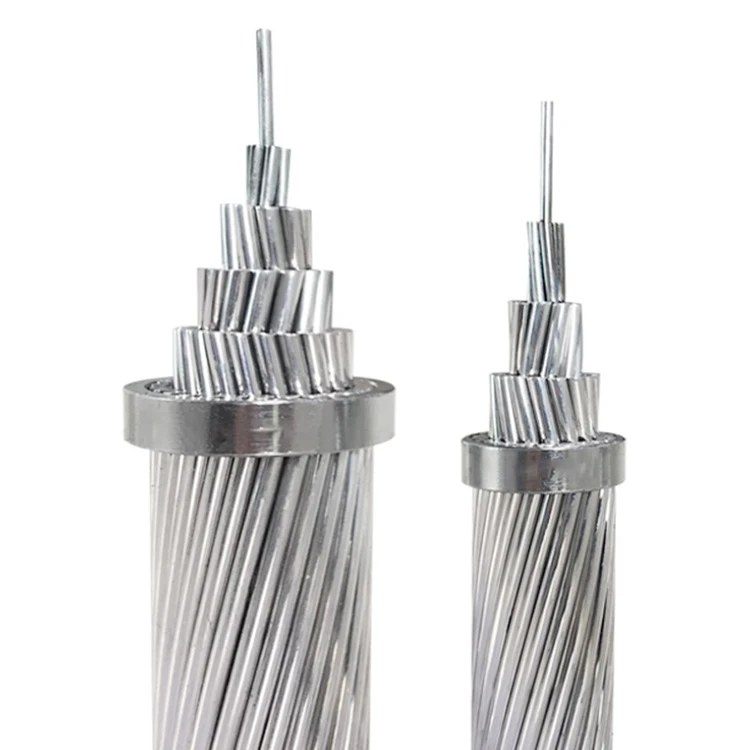
Wire rope is a complex mechanical device that has many moving parts all working in tandem to help support and move an object or load. In the lifting and rigging industries, wire rope is attached to a crane or hoist and fitted with swivels, shackles or hooks to attach to a load and move it in a controlled matter. It can also be used to lift and lower elevators, or as a means of support for suspension bridges or towers.
Benefits of Wire Rope
Strength
The core benefits of wire rope are its strength and capacity to maintain that strength to a relative degree even when beginning to degrade. Due to the overlapping wrapping of the strands and wires, the material can consistently maintain heavy loads and numerous stressors, making it ideal for applications like suspension bridges, cranes, and elevators. This strength is necessary for holding weight providing operator safety and for the wire to transfer power between systems and mechanisms.
Flexibility
Machines in motion, aerospace mechanisms, or pulley actions on construction sites are not simply a Point A to Point B process like a lever. They require precise, millimeter-accurate positioning and need a flexible material to reach every position on a 360-degree arc. Straight shafts or levers can be used, but the flexibility of wire rope in similar situations gives it a clear value. The benefits of wire rope, in terms of its flexibility, allow machinery designers and engineers to plan around a broader spectrum of capabilities.
Wide range of uses
Common uses for wire rope include for hoisting (industrial cranes, construction, elevators), in the oil industry for moving and supplying power to rig machinery, in cable cars for ensuring user safety, in aerospace and automotive vehicles for moving and controlling parts, and in any industrial production setup that uses conveyor belts.
Versatile composition
Similar to how wire rope has several coating options, another benefit of wire rope is the flexibility in its composition. Different metals are required for different applications. Bright wire rope is self-colored steel with lube. Galvanized steel is zinc coated. Stainless steel wire rope is available in type 302/304 and type 316.
Abrasive resistance
Abrasion is a major concern for any wire rope experiencing friction. One of the greatest benefits of wire rope is how its abrasion resistance can be improved, particularly in situations where abrasion is a large risk factor. Wire rope can be coated in polyvinyl chloride (PVC), polypropylene, HOPE, and nylon to improve its abrasive resistance. Abrasion resistance is also affected by its composition, with a smaller number of larger wires being more resistant than a wire rope of the same size with smaller wires. Abrasive resistance can also be improved via lubrication.
Durability
Also among wire rope's primary benefits is its durability in extreme situations. The stress from loads, the axial and torsional pressures on the material, and the fatigue and deformational pressures make other materials ineffective in performing the same roles. While wire rope will be affected by these stressors over time, its durability in lasting longer and sustaining more, even in extreme conditions, makes it such a popular choice.
Types of Wire Rope
Stainless steel
Stainless steel is the standard alloy utilized in rope and cable. Its resistance to corrosion is much higher than galvanized and coated ropes, although there is no difference in strength. Therefore, it is the preferred material used in marine and salt-water based industries. It does not react easily to chemicals from food processing, textile, and photographic settings. Its high resistance to corrosion, heat and cold, pulp and paper chemicals make stainless steel wire rope a very essential material for creating precise instruments, automobiles, fishing vessels, petrochemical equipment, and other fields.
Galvanized wire rope
Galvanized wire rope is also a steel wire material that has undergone a galvanizing process to enhance its corrosion-resistance. The finished wire product is submerged into a zinc bath to coat its entirety, that is, galvanize it. Zinc is utilized in the process because the cathode preservation increases the life expectancy of the wire. Though the coating will wear off as time goes by, it is still resistant to rust, corrosion, and other harsh chemicals. Galvanized wire can be found in industrial and construction fields as well as agricultural and DIY projects.
Coated wire rope
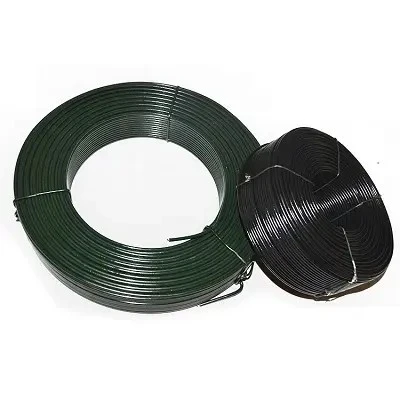
Stainless steel and galvanized wire can be coated with PVC (poly-vinyl-chloride) or vinyl. Coated wire rope comes in various colours such as clear, black, white, or any other colour that is required in different industries. PVC coated wire is flexible, weather-resistant, and very cost-effective. Nylon coated wire, though not as flexible as PVC, is abrasion-resistant and is ideal for businesses in extremely cold regions. Wire rope can be assembled to suit specific applications.
Components of Wire Rope
There are four basic components that make up the design of a finished wire rope:
Wires made from metal that form a singular strand
Multi-wire strands laid around a core in a helical pattern
A fiber or steel core
Lubrication
Wire
Wires are the smallest component of wire rope and they make up the individual strands in the rope. Wires can be made from a variety of metal materials including steel, iron, stainless steel, monel, and bronze. The wires can be manufactured in a variety of grades that relate to the strength, resistance to wear, fatigue resistance, corrosion resistance, and curve of the wire rope.
Strands
Strands of wire rope consist of two or more wires arranged and twisted in a specific arrangement. The individual strands are then laid in a helical pattern around the core of the rope.
Strands made of larger diameter wires are more resistant to abrasion, while strands made of smaller diameter wires are more flexible.
Core
The core of a wire rope runs through the center of the rope and supports the strands and helps to maintain their relative position under loading and bending stresses. Cores can be made from a number of different materials including natural or synthetic fibers and steel.
Lubrication
Lubrication is applied during the manufacturing process and penetrates all the way to the core. Wire rope lubrication has two primary benefits:
Reduces friction as the individual wires and strands move over each other
Provides corrosion protection and lubrication in the core, inside wires, and outside surface
Applications of Wire Rope
Wire rope is used to lift and pull heavy objects. It has a high tensile strength that allows it to withstand substantial amounts of force while also being lightweight, flexible, relatively easy to install and affordable.
Wire rope is ideal for several different industries, including the following:
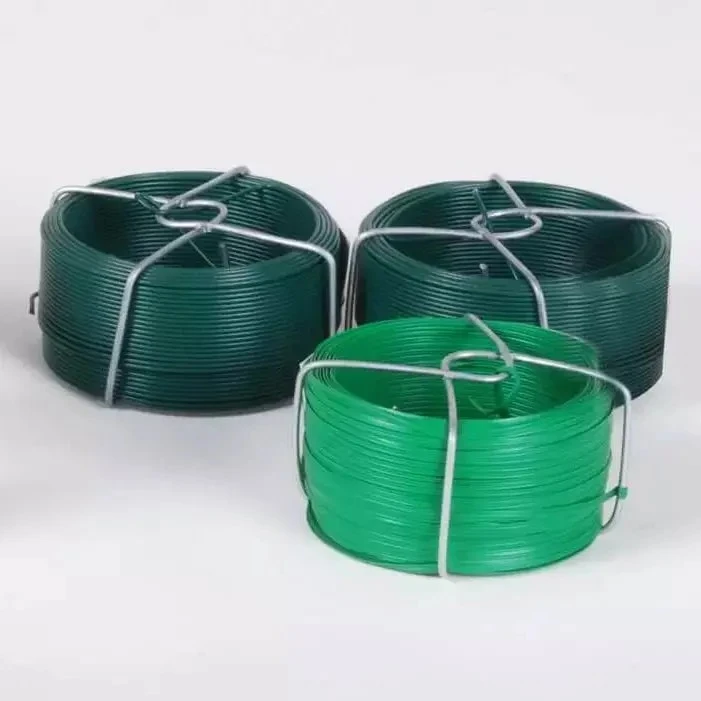
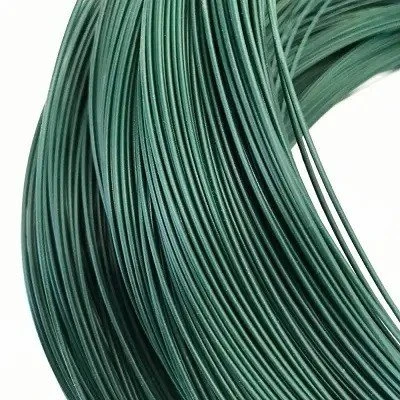
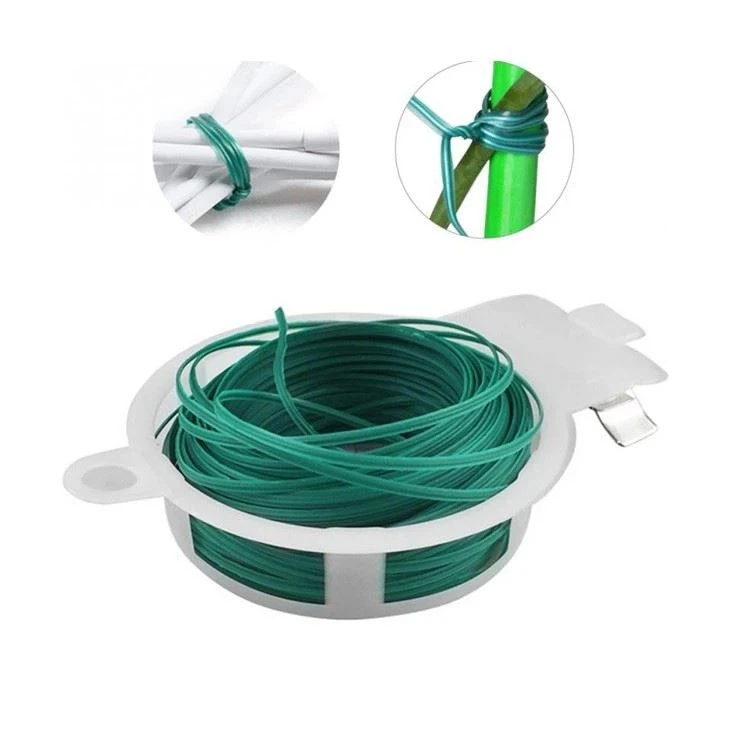
1.Construction
Wire rope is for lifting and lowering heavy equipment. It can also be of use to move construction materials, such as concrete blocks, pipes, lumber, and other building materials high above the ground.
2.Electrical power distribution
Wire ropes are used in electrical power distribution systems that transmit a significant amount of electricity via high voltage transmission lines. Wire ropes can handle high loads at great heights and must be able to endure the elements.
3.Dockyards & ports
Wire rope is used to secure and raise/lower cargo in a safe, efficient manner. The wire ropes are attached directly to the cranes on-site or through overhead lifting frames for safety reasons.
4.Energy (oil/gas) industry
Wire rope is used to drill, complete and workover rigs. It can also be utilized for support when drilling oil or gas wells.
5.Steel industry
Wire ropes are a key component in the production of large steel structures where heavy loads must be lifted into place on top of cranes & buildings during construction. Additionally, wire ropes may attach directly to the crane or to a lifting beam.
It is also used in a number of other applications, including:
Winches:To pull or move heavy objects.
Cranes and hoists:To lift and lower heavy objects.
Draglines:To move copious amounts of earth.
Conveyors:To transport materials over a distance.
Lifts:To transport people or heavy objects vertically.
As you can see, wire rope is an extremely versatile piece of equipment that has a million different uses for the industrial and construction industries.
Certifications


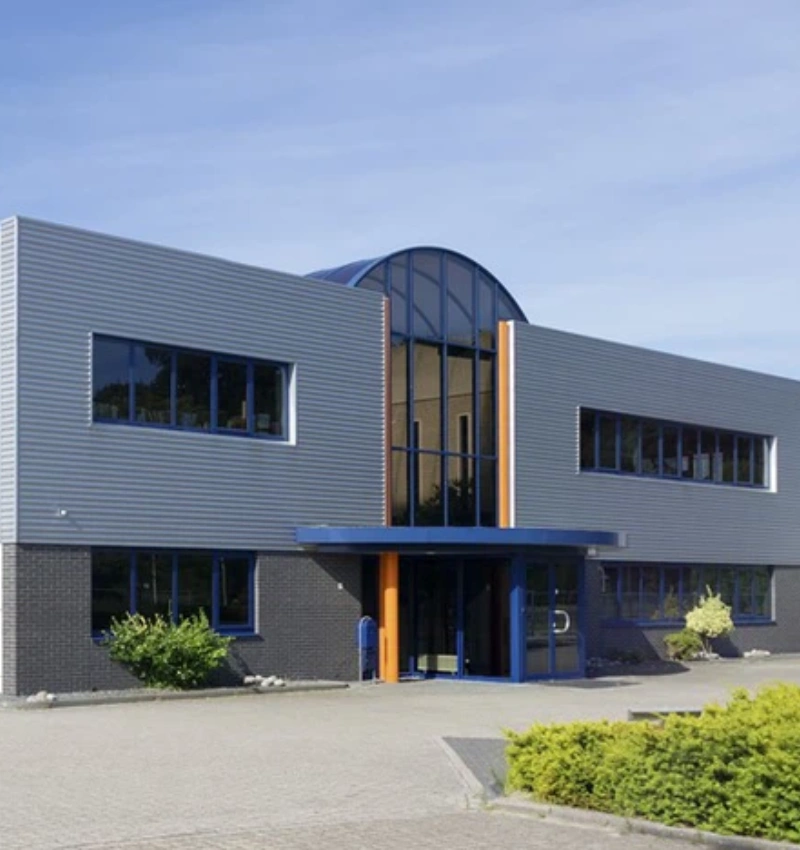
Our Factory
FAQ
Q: What is another name for a wire rope?
Q: What is wire rope used for?
Q: What is a very strong wire rope?
Q: When should you use a wire rope?
Q: What's the difference between wire rope and cable?
Q: What is the difference between wire and wire rope?
Q: What is the most common wire rope?
Q: What does 6x19 wire rope mean?
Q: Is rope stronger than steel cable?
Q: What rope is unbreakable?
Q: Which wire rope most resists crushing?
Q: What is the strongest rope that doesn't stretch?
Q: What is the 3 6 rule wire rope?
Q: When should wire rope not be used and taken out of service?
Q: What is stronger chain or wire rope?
Q: Is wire rope hard to cut?
Q: How many strands does a wire rope need to be broken?
Q: How many broken wires are in a wire rope?
Q: Will wire rope rust?
Q: Will wire rope stretch?
As one of the most professional wire rope manufacturers and suppliers in China, we're featured by quality products and low price. Please rest assured to buy cheap wire rope in stock here from our factory. Contact us for quotation.
Galvanized Steel Wire Ropes, Standard Elevator Rope, Elevator Steel Wire Rope